“Feminism: the radical notion that women are people.” – Marie Shear, 1986
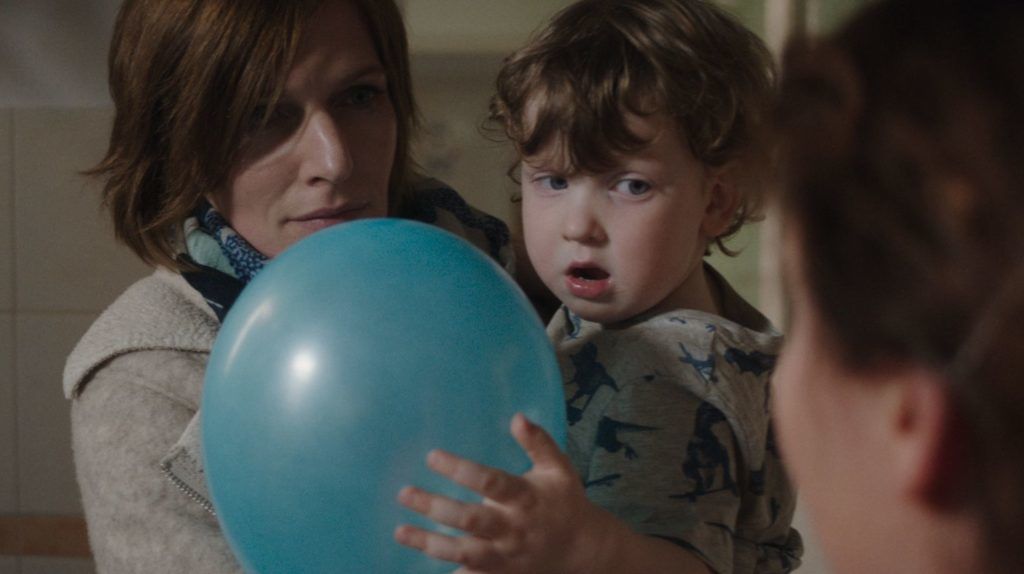
Szilágyi Zsófia’s One Day may not have a sudden, action-packed climax or a shocking twist, yet through its surprisingly captivating characters, camerawork, and storyline, it keeps its audience interested in the events of a seemingly average woman’s day from beginning to end.
The film follows Anna, a middle-aged woman in Hungary, through 36 hours of her life as she navigates a wide variety of challenges, from the routine of waking her three kids up in the morning to the heartbreak of hearing her husband admit he slept with another woman. Amidst the chaos of taking care of a sick toddler, going to work, ballet lessons, fencing practice, and phone tag with her husband Szabolcs, viewers continue to question the fate of Anna and Szabolcs’ marriage. All of the little annoyances that Anna deals with might be dismissed as forgettable or mundane if not linked together with this point of tension that builds up throughout the film. Anna’s interspersed attempts to reach Szabolcs and his disregard for her needs add to the strain between them until he comes home late at night after seeing another woman. He does not bring home the medicine Anna asked him for, not even knowing that their son is sick. At this point, viewers can feel Anna’s anger at Szabolcs’ lack of effort put into being a husband and father, which is only made worse by his infidelity.
This anger, however, is not unique to Anna, the film, or its audience. It is a realistic representation of the anger that many primary caregivers and single parents, more often women, feel on a daily basis. As Szabolcs dismisses her to spend time with another woman, Anna’s struggle to balance the burden of unpaid housework and her teaching job are what make One Day a powerful, feminist, and justifiably angry film. The film portrays a very common unequal division of labor between husband and wife: Anna makes the meals, takes the kids almost everywhere they need to go, and takes on the responsibility of someone being late to their lesson or needing medicine, all while also trying to devote time to her job as a teacher.
Since the end of state socialism in 1989, Hungarian women were no longer required to have jobs, leading to a dramatic drop in female employment. However, Anna’s family is lower-middle class, so she is expected to contribute to her family’s income while also taking care of her children and trying to work things out with an unfaithful husband who is much less involved with the kids’ lives.
Not only is it revealed through just one day of Anna’s life how many different roles she fulfills, but the intimate camerawork, such as closeups of Anna’s face as she rides a crowded tram with her son, and the hyper-realistic acting, in which one might even forget that the characters are following a script, also emphasize her humanity through it all. She gets angry, frustrated, and sad at times, and there are points in the day where viewers are left speculating about if she has lost all will to keep it together and is going to march right up to Szabolcs and end things. This film is not trying to sell an unrealistic idea that even though all of these responsibilities are placed on women like Anna, they can perfectly handle everything. Although like many women, she deals with her obstacles as efficiently and gracefully as she can, she is neither invincible nor powerless; she is a human who experience ups and downs in any given day.
This is an increasingly popular narrative that has been explored outside of Hungary as well. Many American films and TV shows, such as The Good Wife (2009-16), Bad Moms (2016), and Workin’ Moms (2017-present) have portrayed the chaotic, frustrating, and sometimes humorous day-to-day life of mothers who take on the responsibilities of primary caregivers and contributors to the family’s income. Watching films like these can be heartwarming and exasperating all at once, and the unique experience of watching One Day is that it actually only takes one day of Anna’s life to feel as if you are right there with her amidst everything.
One Day, much like motherhood, is empowering, stressful, frustrating, and moving. This is a film that shows real, daily problems that many women, Hungarian or not, can relate to. It is an incredibly natural flow of events and an honest story about normal people, depicting all of the complexities of a woman who is going through something heartbreaking while trying to keep herself and her family stable.
Dir. Szilágyi Zsófia, 2018, Hungary
by Shubhra Tewari

 Budapest through Streets, People and Cinema