Károly Makk’s 1971 Hungarian film Love, or Szerelem, traces the lives of two women at significantly different stages of their lives. However, despite this difference, they have one man around whom their worlds revolve, whom they both love dearly: János. Az öregasszony – literally translated as “the old woman” – the mother, loves her son, seemingly the last remnant of her family. Luca, the wife, loves her husband, her other half. The issue throughout nearly the entire film remains the fact that Soviet leadership imprisoned János as a political dissident approximately a year prior to the opening scene, rendering him unavailable, a memory. For the mother, her mortality looms as her mind fades and body deteriorates, constantly reminiscing about her seemingly lavish past, realizing that it is just that: the past. Luca, understanding that the mother will likely never feel the warmth, safety, and comfort of her son during her last few weeks, possibly days, on this Earth, constantly visits her home, lying about the whereabouts of János, hoping to lend her some hope and meaning to her otherwise rather miserable existence. Luca, during this time, also struggles with her own issues, to include financial viability as well as the political stigma left behind as a result of her marriage to János. By the end of the film, after the daily routine of these two characters bonding over the missing piece in their lives, János receives the news that the government ordered his release; he promptly goes back to his home, but finds it empty as Luca deals with the unfortunate passing of the mother. When Luca arrives, János walks around the corner to greet her; sharing looks of pure shock, they embrace. The film then ends with Luca washing János’ back, promising that she will be with him for the rest of her nights as long as she lives.
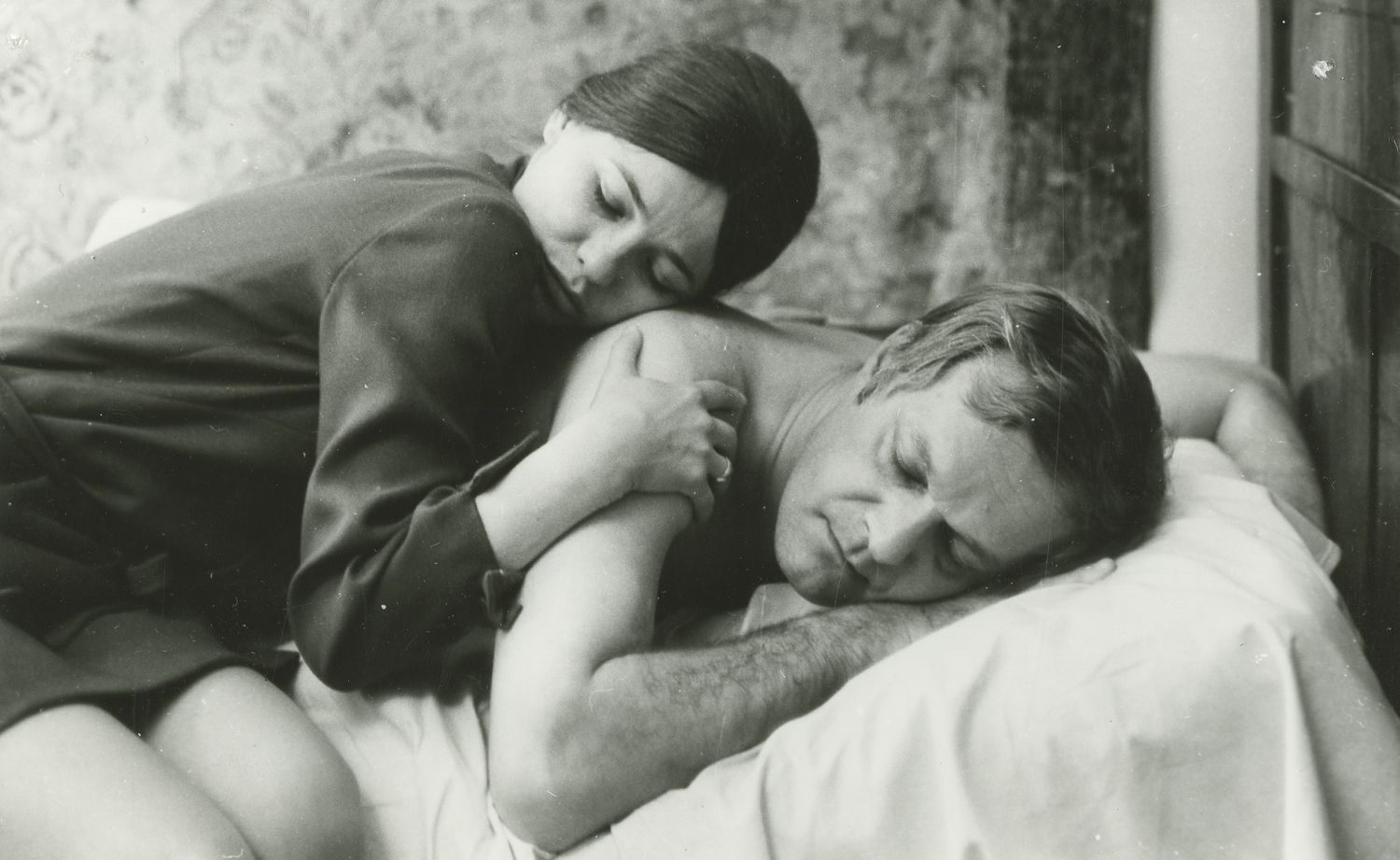
On the surface, this film covers the monotony of two vastly different characters’ lives. The mother wakes up and eats; then briefly, Luca visits her house. There, they have often meaningless conversations, reminiscing on memories of János. Luca then leaves, only to deal with her issues outside of that house. For the majority of the film, this is it, this repetition. However, through these rather small, repetitive moments, the viewer comes to appreciate the love which they hold for János. For Luca, it has nothing to do with physical desire; she simply misses him, despite his lack of existence in her life. Her love for János transcends feeling; it becomes her whole life, rather than one which requires certain conditions to thrive. She remains committed to those sometimes burdensome visits with János’ mother, despite the difficulties she faces in her own life. For the mother, the film reveals her love through a combination of visible emotion as well as intentional, intricately placed flashbacks to her past. The contrast of past and present allow the viewer to understand the extent to which the mother has been faced with her own mortality and as a result, the fact that her love for János extends beyond this life. Placing these two elements together produces the feeling of complete connection between Luca and the mother. Love does not exist separately within family; rather, when pure and genuine, it creates a beautiful intertwinement, even in the face of death or isolation.
Beyond these intense connections and emotional dimensions to the film lies the political situation of the Hungary in which the characters find themselves: an overreaching and overpowering Soviet rule. The viewer can find hints of this life all around the film, from the imprisonment of János to the rejection of Luca by her former friends. However, Love finds an escape from the political turmoil in these simple, yet powerful scenes between Luca and the mother, with the eventual euphoria of the reuniting of Luca and János. Ultimately, the film allows the viewer to feel the frustration and pain caused by the Soviet state, but push beyond those emotions and into the love between the characters. They own their love and it will always remain one of the few pieces of their lives that the government cannot control, no matter how powerful.

The film, while sometimes quite splintered between scenes, accomplishes its objective of placing its viewers of the time in a state of wishful, yet realistic sense of hope. The characters developed gradually and remained purposeful in their portrayal: the mother, lost and afraid, Luca, kind-hearted but struggling, and János, alone, a victim of the times. They were real, relatable, and accessible to the viewer. The visual effects give glimpses into both blissful and traumatic memories, allowing the viewer to understand and feel the characters emotions at a constantly elevated level. Overall, in its final scene, the film finds a balance, leaving both viewer and characters at peace; the mother has rest, Luca has János, and the viewer has a renewed hope that they can find such love in their own lives, if not appreciate more the love which they do have.
by Ethan Oliver

 Budapest through Streets, People and Cinema